
October 2026
Section 8 Disability Accommodations: 8 Changes You Can Request
From wheelchair ramps to extra bedrooms, Section 8 disability accommodations can help renters get housing that meets their needs.
Advertisement
Having a disability should not prevent you from getting affordable housing or using your Section 8 voucher. If a health condition makes it difficult to complete an application, meet a deadline, or find a suitable home, you may be able to request changes that make the process work for you.
These changes are called reasonable accommodations, and they are protected under federal housing rules.
You can request accommodations before receiving a voucher, while searching for an apartment, or after moving into a Section 8 rental. You may also qualify if someone in your household has a disability, even if you do not.
The important thing is knowing what you can ask for, who to contact, and how to explain your needs.
Not sure how this applies to you? Ask about your own situation.
Advertisement
What Are Reasonable Accommodations in Section 8?
A reasonable accommodation is a change to a housing rule, requirement, or service that helps someone with a disability access housing assistance.
Under the Fair Housing Act, housing providers must make reasonable changes when they are necessary to give people with disabilities an equal opportunity to use and enjoy their homes.
These protections apply to the Housing Choice Voucher Program, commonly called Section 8, and can involve both housing authorities and landlords.
For example, a housing authority might extend a voucher deadline for someone who needs additional time to locate a wheelchair-accessible apartment. A landlord might need to allow an assistance animal in a building that normally prohibits pets.
A reasonable accommodation does not mean that every request must be approved. However, housing providers must properly consider disability-related needs rather than automatically applying the same rules to everyone.
Advertisement
8 Section 8 Accommodations You May Be Able to Request
1. More Time to Find a Section 8 Rental
Section 8 vouchers generally come with a deadline for finding a qualifying rental property.
Finding an apartment can take longer when you need specific accessibility features, such as an elevator, wheelchair access, or a bathroom that accommodates medical equipment.
If your disability makes your housing search more difficult, you can request additional time before your voucher expires.
Contact your housing authority as early as possible. Explain why you need more time and, if available, provide information showing that you are actively searching for suitable housing.
An extension is not automatic, but housing authorities must consider reasonable accommodation requests connected to a disability.
2. An Extra Bedroom for Medical Needs
Most Section 8 housing authorities determine voucher bedroom sizes based on household size and their local policies.
However, some families need additional space because of a disability.
You may be able to request an extra bedroom for:
- A live-in caregiver who provides necessary assistance.
- Medical equipment that requires a separate space.
- A household member whose disability creates a documented need for a separate sleeping area.
For example, someone who requires overnight assistance from an approved live-in aide may qualify for a larger voucher.
The housing authority will review the request and determine whether the additional bedroom is necessary. Having medical equipment or a health condition does not automatically guarantee approval.
3. A Higher Section 8 Rent Limit
Sometimes the only apartment that meets your disability-related needs costs more than your housing authority's usual voucher payment standard.
This can happen when accessible apartments are limited or when you need to live near medical services.
HUD allows housing authorities to approve higher payment standards as reasonable accommodations in qualifying situations.
Under HUD's updated May 2025 guidance, housing authorities can generally approve disability-related payment standards up to 120% of the applicable local fair market rent without additional HUD approval. Requests above that level require HUD approval.
This does not mean every household can receive a 20% increase. The housing authority must review the individual need, the proposed apartment, and whether the rent is reasonable.
If an accessible apartment exceeds your usual voucher limit, ask your housing authority about a reasonable accommodation exception payment standard before assuming the property is unaffordable.
4. Help Completing Section 8 Applications
A disability may make it difficult to complete paperwork, read notices, attend appointments, or communicate with housing authority employees.
You can request changes that help you participate in the application process.
Depending on your needs, these might include large-print documents, sign language interpretation, help understanding forms, or an alternative way to communicate with the housing authority.
You may also request an accessible meeting location or another arrangement if visiting the office is difficult.
These accommodations can be important when applying for Section 8, updating your waiting list information, or completing annual eligibility reviews.
Not sure how this applies to you? Ask about your own situation.
5. An Assistance Animal in a No-Pets Building
If you have a disability and rely on an assistance animal, a landlord's normal pet restrictions may not apply.
According to HUD's assistance animal guidance, assistance animals can include animals trained to perform tasks and animals that provide disability-related emotional support.
An assistance animal is not considered a regular pet under fair housing rules.
When the request qualifies, a landlord generally cannot charge a pet deposit or pet fee for the animal.
However, the landlord may request reliable information about the disability-related need when it is not apparent. Specific safety concerns or other legally recognized reasons can also affect a request.
You do not need to purchase an online certificate or registration to establish your rights under the Fair Housing Act.
6. Changes to Make Your Home More Accessible
If you already live in a Section 8 apartment, you may need physical changes to make your home safer or more accessible.
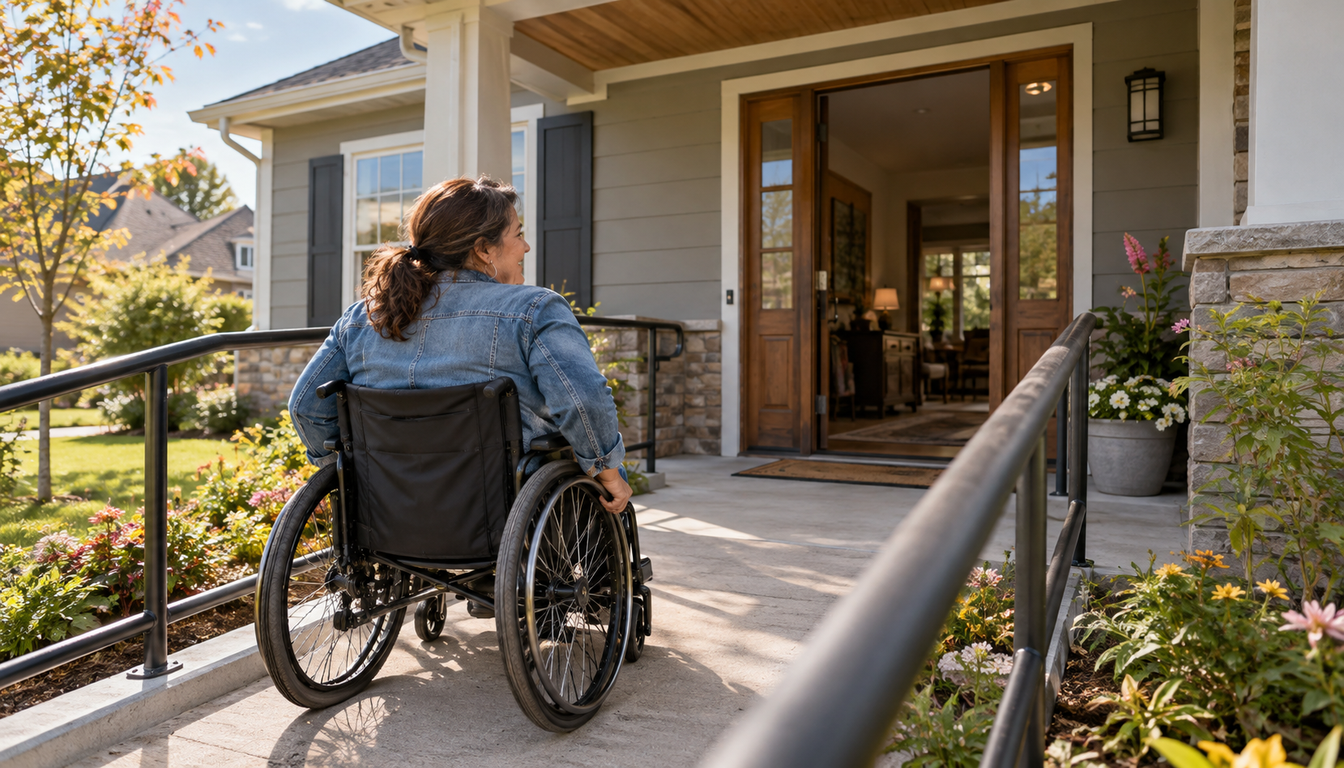
Examples include installing grab bars, adding a wheelchair ramp, widening a doorway, or adjusting bathroom fixtures.
These changes are called reasonable modifications.
In many privately owned rentals, landlords must allow qualifying changes, although tenants may be responsible for paying for them. Different funding rules can apply to certain federally assisted properties.
HUD's fair housing accessibility guidance explains how these requests work and what landlords can require.
Before making changes, contact your landlord and housing authority to discuss approval, costs, and possible financial assistance.
7. Help Finding an Accessible Apartment
You do not have to search for an accessible Section 8 rental without asking your housing authority for assistance.
If someone in your household has a disability, you can request information about available apartments that meet their needs.
For example, you might need a ground-floor unit, an elevator, accessible transportation nearby, or a home close to essential medical services.
Under HUD's Housing Choice Voucher guidance, housing authorities must provide families with disabilities information about known available accessible units and, when necessary, additional help locating suitable housing.
This does not guarantee that an accessible apartment will be available immediately, but it gives you another way to search for appropriate housing.
8. Extra Time or Different Arrangements for Appointments
Section 8 participants must respond to notices, provide documents, and complete regular eligibility reviews.
A disability can sometimes make these responsibilities harder to complete on the usual schedule.
You may be able to request more time to submit documents, a different appointment format, or communication assistance.
For example, someone recovering from a serious medical procedure might need additional time to complete an annual review.
Contact your housing authority before the deadline whenever possible. Explain what prevents you from meeting the requirement and what adjustment would help.
Not sure how this applies to you? Ask about your own situation.
Advertisement
How to Request a Section 8 Reasonable Accommodation
You do not need a lawyer or special wording to request an accommodation.
Start by contacting your local housing authority or landlord, depending on what needs to change. You can locate your agency through HUD's Housing Choice Voucher resources.
Explain what you need and how it relates to your disability. You can make the request verbally, but submitting it in writing helps you keep a record.
For example, you might write:
I am requesting an additional 30 days to find a rental because my disability requires a wheelchair-accessible apartment. I need more time to locate a suitable property.
If your disability or need is not apparent, the housing provider may ask for supporting information from a healthcare professional or another reliable source.
You generally do not need to share your complete medical history.
Keep copies of your request, supporting documents, and any responses you receive.
Advertisement
What If Your Accommodation Request Is Denied?
A denied request does not necessarily mean you have no other options.
Ask the housing authority or landlord to explain the decision. If additional information could help, consider providing it.
You can also suggest another arrangement that would meet your needs.
If you believe your request was unfairly denied because of a disability, you can report housing discrimination to HUD.
HUD generally requires Fair Housing Act complaints to be filed within one year of the alleged discrimination, so it is important to act promptly.
Not sure how this applies to you? Ask about your own situation.
Advertisement
Your Disability Should Not Limit Your Housing Opportunities
Section 8 reasonable accommodations can make an important difference when applying for housing assistance, finding an accessible apartment, or keeping your voucher.
Whether you need more time, an extra bedroom, communication assistance, or an exception to a housing rule, you have the right to ask for changes related to your disability.
The best approach is to explain your needs clearly, make your request as early as possible, and keep records of your communications.
If you are still searching for affordable housing, visit our partner website, Section 8 Search, to explore rental listings, housing authorities, and Section 8 waiting list information in your area.
Advertisement
Advertisement
Advertisement
Advertisement
Advertisement
Advertisement
Does this apply to you?
Income limits and waitlist rules are set locally, so the answer changes by county. Tell the assistant where you are looking and it will make this specific.