
November 2026
Section 8 Housing Inspection Checklist: What Inspectors Check and How to Pass
Preparing for a Section 8 housing inspection? See what inspectors check, common reasons homes fail, and how to get your rental ready for approval.
Advertisement
Finding a rental that accepts Section 8 is an exciting step toward having a place to call home. Before you can move in with your voucher, the property usually needs to pass a housing inspection.
A Section 8 housing inspection checks whether an apartment or house is safe, has working utilities, and meets basic living standards. Inspectors look at important features such as plumbing, electricity, heating, smoke alarms, windows, and doors.
Knowing what inspectors check can help renters and landlords prepare, avoid common problems, and move through the approval process more smoothly.
Not sure how this applies to you? Ask about your own situation.
Advertisement
What Is a Section 8 Housing Inspection?
A Section 8 housing inspection is a property safety check required by the U.S. Department of Housing and Urban Development (HUD).
The inspection helps make sure homes rented through the Housing Choice Voucher Program meet minimum safety and living standards.
These requirements are commonly called Housing Quality Standards (HQS).
The local public housing authority (PHA) arranges inspections to confirm that a property meets the program's requirements.
According to HUD's housing inspection guidance, inspections focus on the conditions that matter most to residents, including health, safety, and whether essential parts of the home work properly.
A property doesn't need expensive finishes or brand-new appliances to qualify. The important thing is that it provides a safe, functional place to live.
Advertisement
Section 8 Inspection Rules: What's Changing?
HUD is updating its housing inspection system through the National Standards for the Physical Inspection of Real Estate, known as NSPIRE.
NSPIRE places greater attention on problems that could affect residents' health and safety.
Under HUD's latest voucher inspection guidance, housing authorities must comply with the new NSPIRE voucher standards by February 1, 2027, although some agencies have already started using them.
This means your local housing authority may currently use traditional HQS inspections or the newer NSPIRE requirements.
Both systems examine essential home conditions, and the basic preparation steps are similar.
Advertisement
What Do Section 8 Housing Inspectors Check?
Inspectors review several areas of the property to identify conditions that need attention. HUD's official NSPIRE inspection standards describe the features inspectors examine and the types of problems they look for.
Not sure how this applies to you? Ask about your own situation.
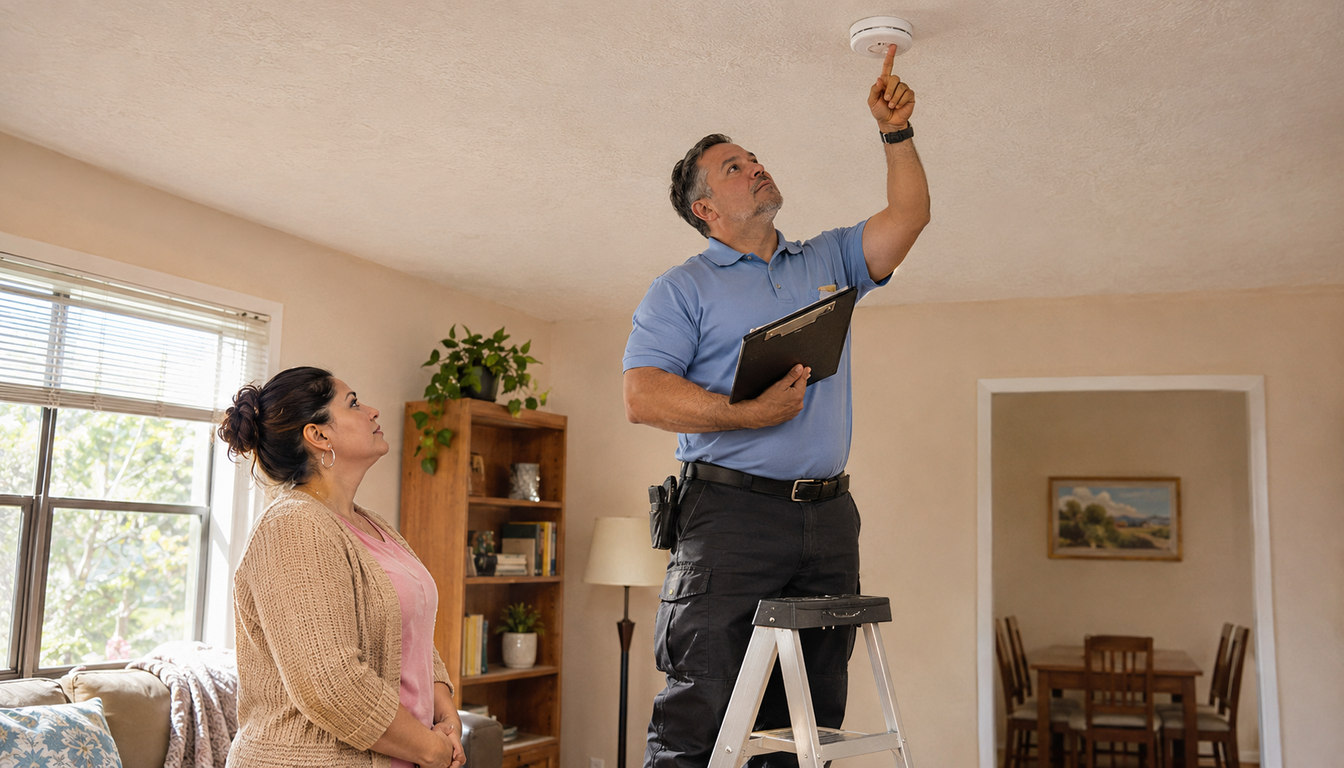
1. Smoke Alarms and Carbon Monoxide Detectors
Working safety alarms are among the most important inspection requirements.
Inspectors check whether smoke alarms are installed in required locations and function properly.
They may also verify that carbon monoxide detectors are installed where required, especially in properties with fuel-burning appliances or attached garages.
Before the inspection, make sure alarms are installed correctly, working, and free from damage.
2. Electrical Outlets and Wiring
Inspectors look for electrical problems that could cause shocks, burns, or fires.
Common issues include exposed wires, damaged outlets, missing outlet covers, and unsafe electrical equipment.
They may also check whether required electrical protection is installed in areas such as kitchens and bathrooms.
Preparation tip: Test lights and accessible outlets, replace missing covers, and ask the landlord to arrange professional repairs for electrical problems.
3. Plumbing, Toilets, and Water
Every Section 8 rental needs working plumbing and access to safe water.
Inspectors typically check whether:
- Toilets flush properly.
- Sinks and faucets work.
- Hot and cold water are available.
- Drains function without major blockages.
- Pipes and fixtures have no serious leaks.
Bathrooms also need usable facilities and appropriate ventilation.
A dripping faucet may seem minor, but a significant leak can damage the home and create other safety problems.
4. Heating and Ventilation
A rental property must have a safe, working heating system that can provide adequate warmth.
Inspectors may check whether the heating equipment works, whether ventilation is sufficient, and whether the home has unsafe heating conditions.
Air conditioning requirements can depend on the inspection rules and local conditions.
Before the inspection, landlords should test the heating system and address any problems with equipment, ventilation, or temperature control.
5. Windows, Doors, and Locks
Windows and doors help protect residents from weather, unwanted entry, and other hazards.
Inspectors may check for broken glass, damaged frames, doors that do not close properly, and unsafe locks.
Windows and doors that serve as emergency exits must also allow people to leave safely.
Make sure required exits are accessible and that damaged windows or doors are repaired before the inspection.
Not sure how this applies to you? Ask about your own situation.
6. Kitchen Appliances and Food Storage
Section 8 rentals need suitable facilities for preparing and storing food.
Inspectors generally check the condition of the cooking equipment, refrigerator, kitchen sink, and related fixtures.
They may look for broken appliances, unsafe stove connections, or refrigeration equipment that cannot keep food at a safe temperature.
Landlords should confirm that required appliances are available and functioning before scheduling an inspection.
7. Walls, Floors, Ceilings, and Stairs
Inspectors look for conditions that could cause injuries or indicate serious property damage.
Examples include loose flooring, holes that create hazards, damaged stairs, unstable railings, and unsafe ceilings.
They also check for signs of structural problems that could affect the home's safety.
Small cosmetic imperfections are different from damage that creates a risk of falling or injury.
8. Mold, Moisture, and Pest Problems
Water damage and pest infestations can affect the health and comfort of residents.
Inspectors may look for visible mold-like growth, active leaks, excessive moisture, and signs of rodents or insects.
These problems often require more than cleaning. For example, a recurring mold problem may be connected to a leaking pipe or poor ventilation.
Landlords should address the source of the problem and complete the necessary repairs.
9. Outdoor Areas and Shared Spaces
Inspections can extend beyond the apartment itself.
Depending on the property, inspectors may review stairways, hallways, entrances, sidewalks, and other areas residents use.
They look for unsafe steps, missing handrails, damaged walkways, and other hazards.
Apartment buildings may also have shared safety features that need to work properly.
Not sure how this applies to you? Ask about your own situation.
Advertisement
Section 8 Inspection Checklist: How to Prepare Your Home
Preparing before the inspection can help prevent delays and make the process easier for everyone involved. Use this checklist to make sure the property is ready.
- Smoke alarms and carbon monoxide detectors: Test all required alarms to make sure they work properly.
- Plumbing and water: Check faucets, toilets, drains, and hot water. Look for leaks or blockages.
- Heating and ventilation: Make sure the heating system works and rooms have proper ventilation.
- Electrical systems: Check outlets, switches, and electrical covers for damage or exposed wiring.
- Doors and windows: Make sure doors and windows open, close, and lock properly.
- Kitchen appliances: Test the stove, refrigerator, and kitchen sink to confirm everything works.
- Mold and pests: Look for signs of mold, water damage, rodents, or insects.
- Floors and stairs: Check for loose flooring, damaged steps, and missing or unstable handrails.
- Emergency exits: Make sure exits are accessible and inspectors can reach all areas they need to examine.
Renters can help by reporting maintenance problems, making the home accessible for inspection, and communicating with their landlord.
Landlords are generally responsible for keeping the property in the condition required by the program and completing necessary repairs.
Advertisement
What Happens During a Section 8 Inspection?
The inspection process usually follows a few steps.
First, the housing authority schedules the inspection. This often happens after a landlord agrees to rent a property to someone using a Housing Choice Voucher and the required paperwork has been submitted.
Next, an inspector visits the property. The inspector examines the home, tests certain equipment, and records any problems that need attention.
Finally, the housing authority reviews the results. If the property meets the requirements, the rental can move forward through the remaining approval steps.
If repairs are needed, the housing authority will explain which problems must be corrected.
The time needed for an inspection varies depending on the property's size, condition, and local procedures.
Not sure how this applies to you? Ask about your own situation.
Advertisement
What Happens if a Section 8 Home Fails Inspection?
A failed inspection means the inspector found one or more conditions that do not meet the required standards.
Many inspection problems can be corrected through repairs or maintenance.
For example, a landlord may need to replace a broken smoke alarm, repair a plumbing leak, fix an unsafe outlet, or install a missing handrail.
The housing authority identifies the problems and explains the next steps. Depending on the issue and local procedures, the agency may arrange another inspection or accept other approved proof that repairs were completed.
More serious hazards require faster attention. Under NSPIRE, certain life-threatening conditions must be corrected within 24 hours.
For renters preparing to move, staying in contact with the landlord and housing authority can help keep the approval process moving.
Advertisement
How Often Does Section 8 Inspect a Property?
Section 8 housing inspections are not limited to the beginning of a lease.
Housing authorities generally inspect voucher-assisted homes before approving a new tenancy and periodically afterward.
For many Housing Choice Voucher rentals, regular inspections take place at least once every two years. Some housing authorities inspect more frequently, and different rules can apply to certain properties.
A housing authority may also arrange an additional inspection when a resident reports a serious maintenance problem.
The purpose is to help make sure the property continues to meet housing requirements throughout the rental period.
Not sure how this applies to you? Ask about your own situation.
Advertisement
Who Is Responsible for Passing a Section 8 Inspection?
Landlords and renters both have important roles in maintaining a safe home.
Landlords are generally responsible for providing a property that meets inspection standards, maintaining essential building systems, and completing required repairs.
Renters are responsible for taking reasonable care of the home, reporting maintenance problems, and following their lease requirements.
If an inspector identifies a problem, the housing authority determines who is responsible for correcting it.
Good communication between renters, landlords, and housing authorities can make repairs easier to arrange.
Advertisement
Can You Move In Before the Section 8 Inspection?
In most cases, the housing authority must approve the rental and complete the required inspection process before voucher payments begin.
However, some housing authorities may allow a lease to begin under specific rules while certain non-life-threatening repairs are pending.
These arrangements depend on the program requirements and local housing authority policies.
Before signing a lease or moving in, ask your housing authority when rental assistance can begin and whether the property has received the necessary approval.
Advertisement
How to Help Your Section 8 Home Pass Inspection
The best preparation is to address maintenance problems before the inspector arrives.
Landlords should review the property's condition, test essential equipment, and complete needed repairs. Renters can help by reporting problems early and providing access to the home when an inspection is scheduled.
You can also ask your housing authority for its current inspection checklist. Because agencies are transitioning to NSPIRE at different times, the exact requirements may vary.
HUD provides an official Housing Choice Voucher inspection checklist and resources that housing authorities and property owners can use to prepare.
A successful inspection is an important step toward securing a safe, comfortable rental home with Section 8 assistance.
If you're still searching for a place to live, visit our partner website, Section 8 Search, to explore affordable housing resources and find information that can help with your rental search.
Advertisement
Does this apply to you?
Income limits and waitlist rules are set locally, so the answer changes by county. Tell the assistant where you are looking and it will make this specific.