
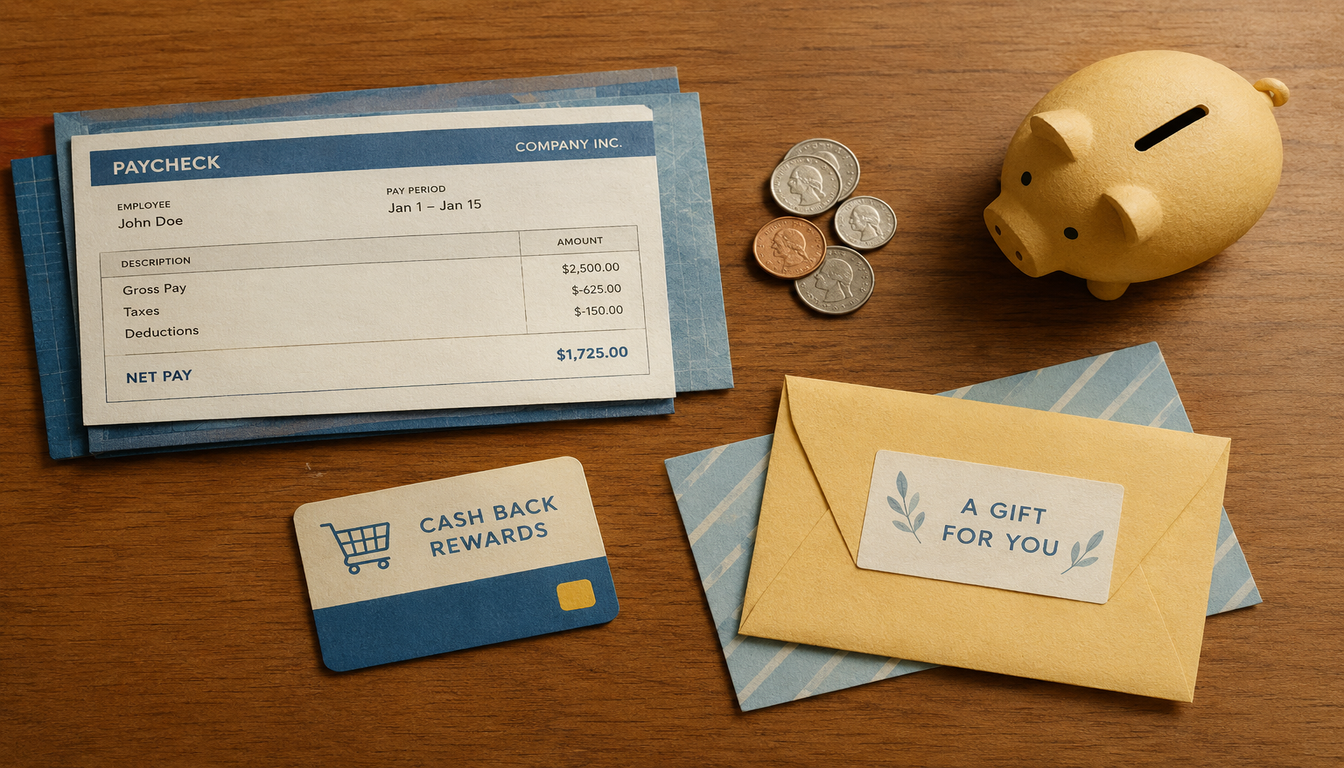
If you're applying for Section 8, one of the first things a housing authority will look at is your income. But "income" doesn't just mean your paycheck. HUD (the U.S. Department of Housing and Urban Development) has its own list of what counts and what doesn't, and it can be confusing if you've never seen it before.
This guide breaks down what counts as income for Section 8, what doesn't, and how it all affects your eligibility.
Get instant answers to your housing questions.Chat Now
Why Income Matters for Section 8
Section 8, also called the Housing Choice Voucher program, helps low-income families pay rent. To qualify, your household's total yearly income has to fall below a limit set for your area. These limits are based on the median income where you live, so they're different in every city and county.
You can look up your local income limits directly on HUD's website using the HUD Income Limits tool. Just search by your state and county to see the exact dollar amounts for your household size.
Most housing authorities use these three levels:
- Extremely low income – 30% of the area median income
- Very low income – 50% of the area median income
- Low income – 80% of the area median income
Most Section 8 vouchers go to households in the "very low income" or "extremely low income" categories, so it helps to know exactly which of your earnings get counted toward that total.
Your household size matters too. A single person and a family of five have different income limits, even in the same city, because HUD adjusts the numbers based on how many people are living in the home. This means a larger family can usually earn more money and still qualify, since the same income has to stretch further.
It's also worth knowing that income limits get updated every year. A household that didn't qualify last year might qualify this year if the local limit went up, or if their income went down. This is one reason it's worth checking current numbers instead of relying on information from a year or two ago.
Get instant answers to your housing questions.Chat Now
What Income Counts
HUD calls this "annual income," and it means the total money coming into your household before taxes, counted for every family member age 18 or older. According to HUD's official income rules under 24 CFR 5.609, the following are counted:
Money from work
-
Wages and salaries, before any deductions
-
Overtime pay, tips, commissions, and bonuses
-
Net income from a business you own or run Government and retirement benefits
-
Social Security and SSI payments
-
Pensions and retirement fund payments
-
Disability payments
-
Unemployment and workers' compensation Other regular payments
-
Child support and alimony you receive
-
Welfare or TANF payments (with some limits)
-
Regular gifts of money from people outside your household
-
Armed forces pay Money from assets
-
Interest, dividends, or income from savings, stocks, or property you own
-
If your household has more than $50,000 in assets, HUD may count a portion of what those assets could reasonably earn, even if you're not actually earning that much
If a family member is out of work right now but is scheduled to start a new job or return to one within the next 12 months, that expected income can be included too, since Section 8 income is meant to reflect what your household will earn over the coming year, not just what you're earning today.
Self-Employment and Irregular Work
If you're self-employed, drive for a rideshare app, do freelance work, or take seasonal jobs, your income still counts, but it's calculated a little differently. Instead of looking at your gross earnings, the housing authority usually looks at your net income, meaning what's left after business expenses. You'll likely need to show recent bank statements, tax returns, or a profit-and-loss statement so the housing authority can estimate what you'll earn over the next year.
Irregular or seasonal income doesn't get ignored just because it's inconsistent. If you work more hours in the summer or take on holiday retail work, that income gets averaged out over the year rather than excluded.
How Asset Income Is Counted
Assets are things you own that have value, like a savings account, a car, or a piece of property. Most Section 8 applicants don't have to worry too much about this part, but it's worth understanding. If your household's assets add up to more than a certain amount, the housing authority may count the interest or earnings those assets could reasonably produce, even if you're not spending that money.
For example, if you have a savings account earning interest, that interest counts as income. If you own a piece of land you're not using, and it doesn't generate income, it may still be counted as an asset that affects your eligibility, even though it doesn't add cash to your pocket right now.
Get instant answers to your housing questions.Chat Now
What Does NOT Count as Income
This is the part many people don't expect. Several types of money are left out of the calculation entirely. Under the same HUD rule, these are excluded:
- Income earned by children under 18
- Foster care payments for children placed in your home
- Food stamps (SNAP) and other food assistance
- Medical reimbursements or one-time medical payments
- Student financial aid used for tuition
- Payments from certain disaster relief programs
- One-time, nonrecurring lump sums, such as a one-time insurance settlement or inheritance (though it may still count as an asset)
- Adoption assistance payments
- Earnings of a live-in aide who helps a family member with a disability
- Income from a live-in aide, foster child, or foster adult
A full, updated list of exclusions is published by HUD and available in the Federal Register notice on income exclusions. It's worth checking if you're unsure whether a specific payment counts.
How Deductions Can Lower Your Counted Income
After adding up your household's income, HUD allows certain deductions before comparing it to the limit. These deductions can bring your "adjusted income" down, which can also lower how much rent you pay. Common deductions include:
- A set amount for each dependent child in the household
- Childcare costs that let a parent work or attend school
- Medical expenses for elderly or disabled household members, above a certain amount
- A deduction for households headed by an elderly or disabled person
Because of these deductions, two families with the same gross income might end up with different adjusted incomes, and different rent amounts.
Why It's Smart to Report Income Correctly
Housing authorities check your income when you apply and again every year during your recertification. If your income changes during the year, especially if it goes up, most programs require you to report it. Leaving out income, even by accident, can cause problems later, including having to repay money or losing your voucher. On the other hand, forgetting to report a deduction you qualify for means you could be paying more rent than you should.
If you're not sure whether something counts, your local Public Housing Agency (PHA) can walk you through it. You can find your local PHA using HUD's PHA contact directory.
Get instant answers to your housing questions.Chat Now
A Quick Example
Say a single mother works part-time earning $18,000 a year and also receives $4,000 a year in child support. Her 16-year-old has a part-time job earning $3,000 a year.
- Her wages ($18,000) count.
- The child support ($4,000) counts.
- Her teenager's earnings ($3,000) do NOT count, since he's under 18.
Her household's counted annual income would be $22,000, not $25,000, because her son's income is excluded.
This kind of detail is exactly why it helps to understand the rules before you apply, so you know what number a housing authority will actually be looking at.
Common Questions
Does a roommate's income count if they're not on the lease? No. Only people who are officially part of your household, meaning they're listed on your application and lease, have their income counted. A roommate who isn't part of your household application generally isn't counted, but rules can vary by housing authority, so it's worth asking directly.
What if my income changes after I get approved? You're usually required to report income changes, especially increases, to your housing authority. This can affect how much rent you pay, but it typically won't cause you to lose your voucher just because your income went up somewhat. Housing authorities expect income to change over time.
Does unemployment income count? Yes. Unemployment benefits are counted as income, similar to a regular paycheck, since they represent money coming into the household.
Do I have to report money a family member overseas sends me occasionally? Regular gifts of money are generally counted as income. A one-time gift may be treated differently than a recurring one, so it's best to explain the situation clearly to your caseworker.
What happens if I forget to report a source of income? Try to correct it as soon as you realize the mistake. Housing authorities recheck income every year, and unreported income discovered later can lead to repayment or other penalties. Being upfront early on is always the safer path.
Get instant answers to your housing questions.Chat Now
Final Thoughts
Understanding what counts as income for Section 8 can help you know where you stand before you even apply. Wages, benefits, and most regular payments count. Certain benefits, a minor's earnings, and one-time payments usually don't. And deductions can work in your favor once your income is added up.
Every housing authority follows the same basic HUD rules, but local income limits and processing can vary, so it's always a good idea to confirm details with your local office.
If you're ready to see what's available in your area, our partner site Section8Search.org can help you find and compare Section 8 housing options near you.