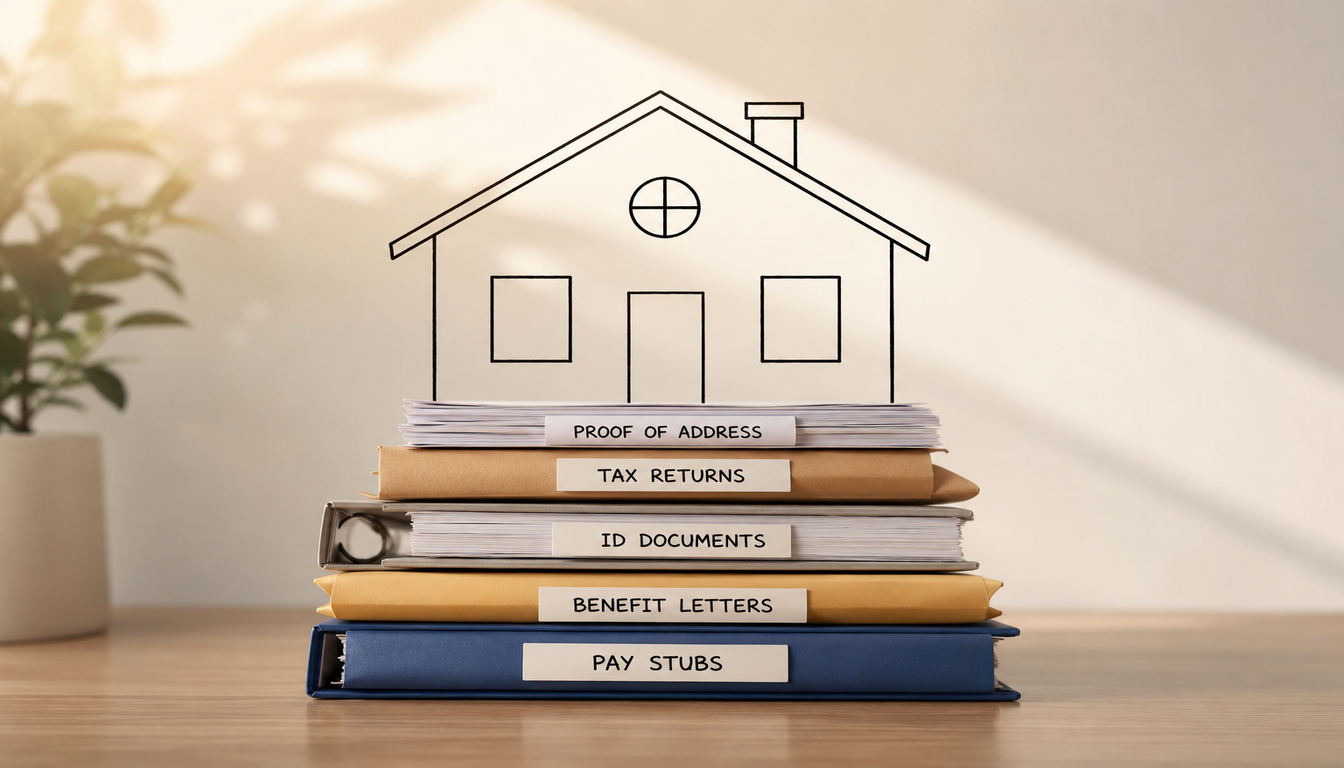
Applying for Section 8 involves some paperwork and a waiting list that takes time to move. The good news is that you can control how ready you are when your chance comes up. This checklist walks you through exactly what to gather so you're prepared as soon as an opportunity opens.
What Is Section 8
Section 8, officially called the Housing Choice Voucher program, helps low-income families, seniors, and people with disabilities pay rent in the private market. Instead of living in a government-owned building, you find your own apartment or house, and the voucher covers part of the rent. The program is run by local Public Housing Agencies (PHAs), not by the federal government directly. You can look up your local agency through HUD's PHA directory, which lists every housing authority by state and county.
Because each PHA runs its own waiting list, requirements can vary slightly from place to place. Still, most agencies ask for the same core group of documents. Let's go through them one by one.
Get instant answers to your housing questions.Chat Now
1. Identification for Everyone in Your Household
Every adult in your household will need a valid photo ID. This can be:
- A driver's license or state-issued ID card
- A passport
- A military ID
For children, a birth certificate usually works instead of a photo ID. If someone in your home doesn't have a copy of their birth certificate, you can request one through your state's vital records office. Keep in mind this can take a few weeks, so it's worth doing early.
2. Social Security Numbers
You'll need to provide Social Security numbers for every member of your household, including children. According to HUD, the head of the household must have a valid Social Security number to qualify for the program. If someone doesn't have a card, they can request one through the Social Security Administration, which also explains how immigration status affects eligibility for a number.
If a household member is not a U.S. citizen, the PHA may ask for documentation of eligible immigration status instead. It's a good idea to ask your PHA exactly what they'll accept before you apply.
3. Proof of Income
This is usually the biggest part of the application, since your income determines whether you qualify at all. Most PHAs will ask for:
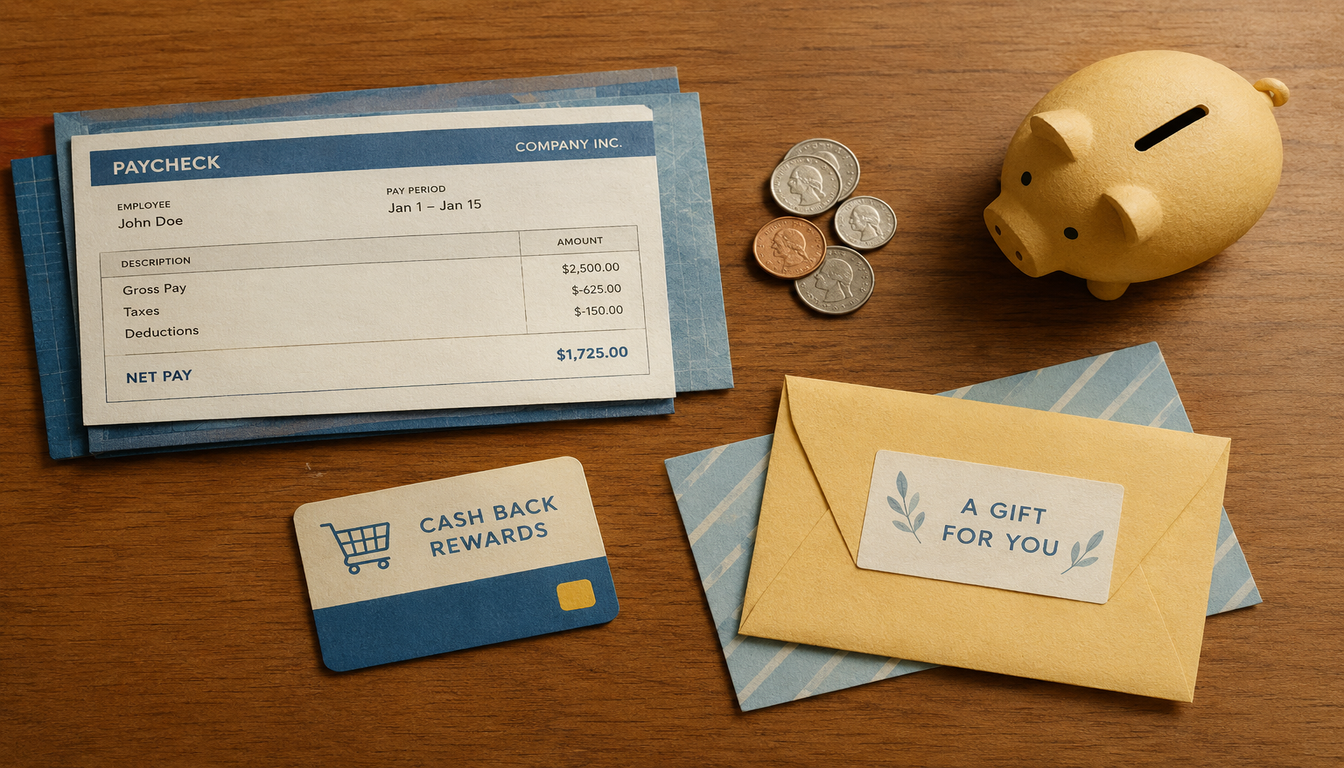
- Recent pay stubs, usually covering the last four to eight weeks
- Award letters for Social Security, SSI, SSDI, or disability benefits
- Pension or retirement statements
- Child support or alimony records
- Unemployment benefit statements
- A letter from your employer if you're self-employed or your pay varies
Your household's income needs to fall under the income limit set for your area. These limits change every year and depend on how many people live in your home. You can check your local limit using HUD's income limits tool. Most PHAs serve households that are considered "low income" or "very low income" for their area, so it's worth checking this before you assume you don't qualify.
Get instant answers to your housing questions.Chat Now
4. Proof of Assets
Along with income, some PHAs want to know what savings or property you have. This can include:
- Bank statements from the last two to three months
- Statements for any stocks, bonds, or retirement accounts
- Documents showing ownership of property, vehicles, or other valuable items
This isn't meant to disqualify people with a little savings. It's simply part of how the agency calculates your total financial picture.
5. Rental History
PHAs typically ask for information about where you've lived for the past few years. Be ready to provide:
- Names and contact information for previous landlords
- Addresses of past residences
- Any documentation related to an eviction, if one happened
Being upfront here matters. If there's something in your rental history that could raise questions, it's better to explain it clearly than to leave it out and have it come up later.
6. Documents for Any Preference You're Claiming
Many PHAs give priority to certain applicants, sometimes called "preferences." Common categories include veterans, people experiencing homelessness, people with disabilities, and people displaced by an emergency or unsafe housing. Simply checking a box on the application often isn't enough. You typically need paperwork to back it up, such as:
- A DD-214 for veteran status
- A letter from a doctor or an award letter for a disability
- A letter from a shelter or outreach worker for homelessness
- An eviction notice or official letter for displacement
If you think you might qualify for a preference, ask your PHA what specific document they require. Missing this step is one of the most common reasons people lose a preference they were actually entitled to.
7. Household Composition Details
The PHA needs a clear picture of who is living in your home. This usually means:
- Full legal names and birthdates for everyone in the household
- Relationship of each person to the head of household
- Custody documents, if applicable, for children who split time between homes
Get instant answers to your housing questions.Chat Now
A Few Tips Before You Apply
Apply to more than one PHA if you can. Waiting lists can run anywhere from about a year in some areas to several years in high-demand cities. Applying to multiple agencies in your region gives you a better shot at getting help sooner.
Make copies of everything. Keep both digital and paper copies of your documents. If a PHA loses a form or asks for something twice, you'll be glad you kept a backup.
Watch for scams. A legitimate Section 8 application will never charge a fee or guarantee you a spot on the list. If a website or person asks you to pay to "reserve" a voucher, walk away. You can verify that you're on an official PHA site through the HUD directory mentioned earlier.
Update your contact information regularly. Waiting lists can take years to move, and PHAs will remove you from the list if they can't reach you. Set a reminder every few months to confirm your address, phone number, and email are current with each agency you applied to.
Keep your confirmation number. Whether you apply online or on paper, save any confirmation number or email you receive. This is often the only way to check your status later.
Get instant answers to your housing questions.Chat Now
Ready to Look for Open Waiting Lists?
Once your documents are in order, the next step is finding a housing authority that's actually accepting applications. Waiting lists open and close throughout the year, and timing matters. Our partner site, Section8Search.org, can help you find open waiting lists near you so you can apply as soon as a spot becomes available.
Getting your paperwork ready ahead of time won't shorten the wait, but it will make sure you're not the reason your own application gets delayed. Gather what you can now, ask your local PHA about anything you're unsure of, and keep a copy of everything you submit.