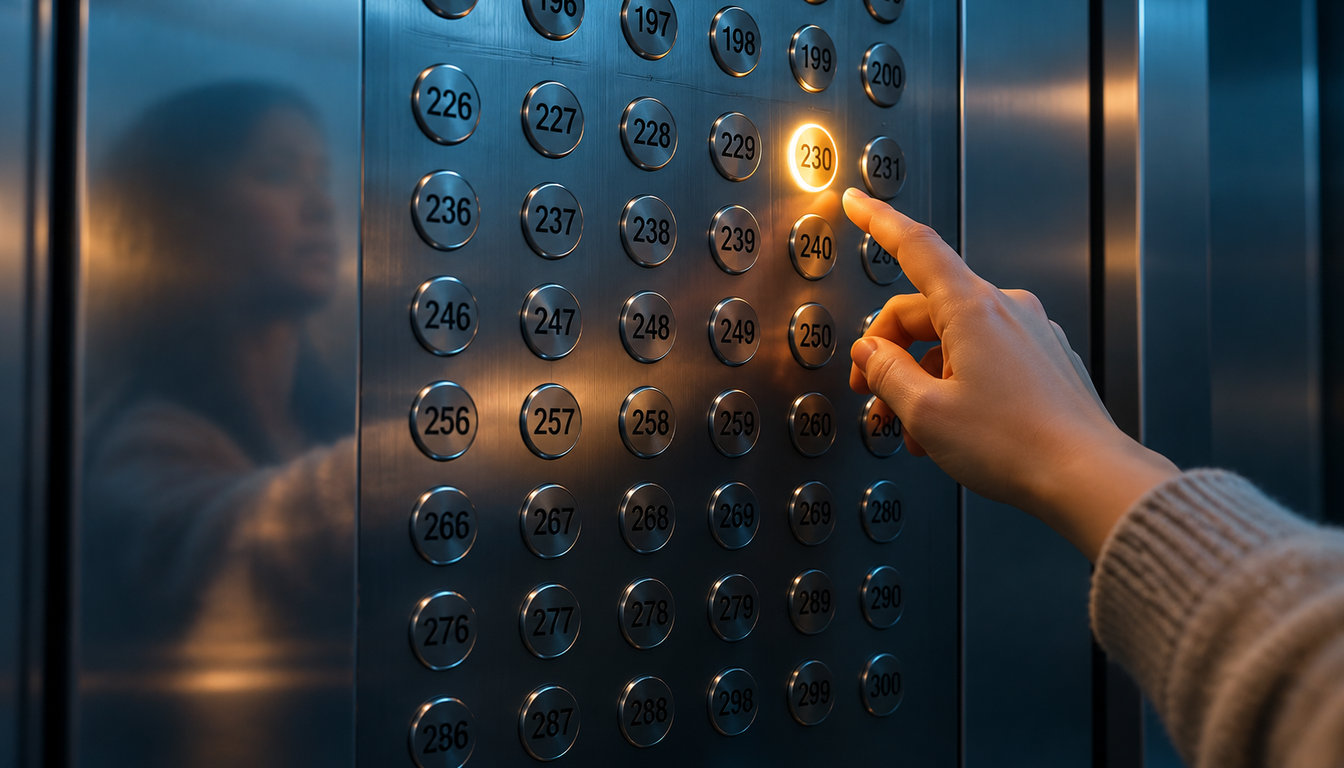
You checked your Section 8 application last month and were number 150 on the waiting list. Today, you're number 230. How did 80 people get ahead of you when you've been waiting longer?
A higher waitlist number doesn't always mean something is wrong with your application. Housing agencies use different rules to decide who gets help first, and those rules can change your position.
Before you assume you've lost your chance at a housing voucher, here's what you need to know about why Section 8 waiting list numbers change and what you can do to protect your application.
Get instant answers to your housing questions.Chat Now
Does a Higher Section 8 Waitlist Number Mean a Longer Wait?
Not necessarily. Your number shows where you stand according to your housing agency's system, but it doesn't tell you exactly when you'll receive assistance.
The Housing Choice Voucher program, commonly called Section 8, helps eligible low-income households pay rent. Local public housing agencies manage applications and waiting lists.
Each agency has its own way of selecting applicants. Some use application dates, others use lotteries, and many give certain households priority.
Your number can change without affecting your eligibility. It also doesn't necessarily mean 230 families will receive vouchers before you.
The important question is whether your application is still active and whether your priority has changed.
Why Your Section 8 Waiting List Position Can Change
Several things can affect your place on a Section 8 waiting list. Some are normal parts of the process, while others may require you to contact your housing agency.
Get instant answers to your housing questions.Chat Now
1. Other Applicants Have Higher Priority
Housing agencies can give certain households priority based on their needs or circumstances. These are called waiting list preferences.
Depending on the agency, preferences may include:
- People experiencing homelessness.
- Veterans and their families.
- Seniors or people with disabilities.
- Families living in the agency's service area.
- People leaving unsafe housing situations.
For example, you might have applied two years ago, but someone who qualifies for a local preference could be selected before you.
Not every agency uses the same preferences. HUD's waiting list and tenant selection guidance explains how local policies affect the order in which applicants receive assistance.
2. Your Housing Agency Updated Its Waiting List
Housing agencies periodically review their waiting lists to make sure applicant information is correct.
During these reviews, they may remove duplicate applications, update household information, verify preferences, or change how applicants are organized.
Your number might change after one of these updates, even if you haven't submitted anything new.
If your position changed significantly overnight, ask whether the agency recently updated or reorganized its list.
3. Your Household Information Changed
A change in your circumstances can affect your waiting list priority.
For example, moving to another county might affect a local residency preference. Changes in household size or income may also affect your eligibility or the information used to select applicants.
Not every change will move you backward.
However, it's important to report changes as your housing agency requires. Incorrect information can create problems when your application reaches the next stage.
Get instant answers to your housing questions.Chat Now
4. New Applications Were Added
Some Section 8 waiting lists open for only a few days or weeks. During that time, housing agencies may receive thousands of applications.
When those applications are processed, applicants with higher priority may be placed ahead of people already waiting.
This doesn't necessarily mean the agency is ignoring older applications.
Some agencies also use lotteries, so being among the first people to apply doesn't always guarantee a better position.
5. Your Application Contains Incorrect Information
Sometimes, a change in your waitlist number comes from an error.
Your housing agency might have an incorrect address, missing household member, or outdated preference information.
If your position suddenly changes and you cannot identify a reason, ask the agency to review your application.
Have your application confirmation number ready, along with any documents that support your information.
Get instant answers to your housing questions.Chat Now
Check Your Section 8 Application Status Before Taking Action
Your waitlist number is only one part of your application. The status shown in your housing agency's online portal may tell you more.
Different agencies use different labels, but these are some you might see:
These labels are not standardized nationwide, so always check what they mean at your housing agency.
If your application says "Update Needed" or "Inactive," contact the agency as soon as possible. There may be a deadline to respond.
Get instant answers to your housing questions.Chat Now
What to Do When Your Section 8 Waitlist Number Goes Up
You don't have to wait without answers. A few steps can help you understand what's happening and avoid problems with your application.
Step 1: Check your application details.
Sign in to your housing agency's official website. Review your current number, application status, household information, and any new messages.
Take a screenshot showing your current position and the date.
Step 2: Contact your housing agency.
Ask why your position changed and whether your application is still active.
You can use HUD's public housing agency directory to locate the office responsible for your application.
Step 3: Ask about your priority.
Find out whether you qualify for any local preferences and whether the agency has verified them.
If you believe you qualify for a preference that isn't showing on your application, ask what documents you need to submit.
Step 4: Confirm your contact information.
Make sure your phone number, mailing address, and email address are correct.
HUD warns that failing to report changes in your contact information or household size can result in removal from a waiting list.
Step 5: Keep copies of everything.
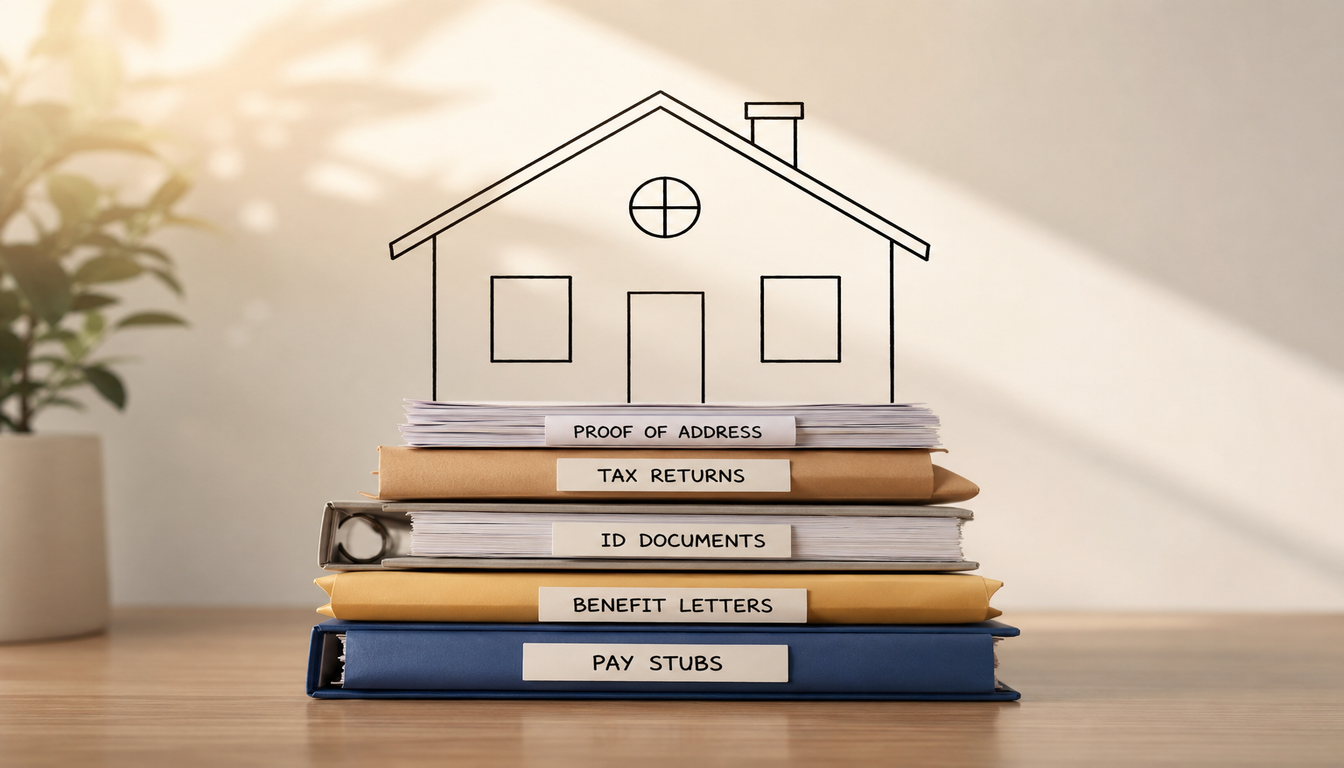
Save emails, letters, application confirmations, and screenshots. Record the dates of phone calls and the names of people you speak with.
These records may help if you need to correct a mistake later.
Get instant answers to your housing questions.Chat Now
Can You Ask the Housing Agency to Fix Your Waitlist Position?
Yes. If you believe your number changed because of incorrect information, you can ask your housing agency to review your application.
Start by explaining what changed.
For example, you could say:
"My Section 8 waiting list number changed from 150 to 230. Can you confirm whether my application is still active and explain why my position changed?"
If you believe your preference was removed by mistake, ask what information the agency has on file and how you can correct it.
You can also request a copy of the agency's waiting list policies.
If the agency denies your application or removes you from the waiting list, you may have the right to request a review. The process and deadlines depend on the decision.
However, a change in your number alone doesn't automatically mean you have a right to appeal.
How Long Will You Wait for a Section 8 Voucher?
Unfortunately, your waiting list number cannot give you a reliable move-in date.
Even if you're number 25, you might wait months or longer. Another applicant at number 200 might receive assistance sooner under a different agency's selection rules.
Waiting times depend on several factors, including how many vouchers become available, the number of applicants, and local preferences.
The number of available vouchers can also change over time.
HUD explains that voucher selection depends on local availability and applicant preferences, among other factors.
Ask your housing agency whether it can provide an estimated waiting time, but remember that estimates are not guarantees.
Get instant answers to your housing questions.Chat Now
Other Affordable Housing Options While You Wait
You don't have to rely on a single Section 8 application.
Other housing programs may have different waiting lists, eligibility rules, and application periods.
Consider these options:
- Public housing: Apartments and homes managed by local housing agencies, often with rent based on household income.
- Project-based rental assistance: Certain apartment buildings receive government assistance that helps eligible tenants pay reduced rent.
- Low-Income Housing Tax Credit apartments: Privately managed properties offering income-restricted rents.
- Other housing agencies: Nearby counties or cities may have separate Section 8 waiting lists.
HUD recommends contacting local housing agencies and exploring more than one option when possible. Its rental assistance information explains where applicants can begin looking for help.
You can also visit our partner website, Section 8 Search, to explore affordable housing listings, housing authorities, and Section 8 waiting list information across the country.
Can Housing.Help Help You Understand Your Next Steps?
When your Section 8 waiting list position changes, knowing what to ask can make a difference.
Housing.Help offers an AI-powered assistant that can help you understand housing assistance programs, prepare questions for your housing agency, and explore possible next steps.
For example, you can ask what a particular application status might mean, which documents you may need, or what other affordable housing programs are available.
Housing.Help cannot change your waiting list position or approve a voucher. Only your housing agency can confirm your official application status and make decisions about assistance.
Get instant answers to your housing questions.Chat Now
Don't Let a Changing Number Stop Your Housing Search
A higher Section 8 waitlist number can be disappointing, especially when you've already waited a long time. But it doesn't automatically mean your application was rejected or that you've lost your chance.
Focus on what you can control: keep your information updated, respond to housing agency notices, check your application status, and ask questions when something doesn't look right.
Most importantly, continue exploring other affordable housing opportunities while you wait. Your next housing option may come from a different program or waiting list.