
If you're an older adult looking for a safe, comfortable place to call home that fits your budget, there's good news: a federal program was built with exactly this in mind. Section 202 housing helps seniors on fixed incomes find quality apartments at a price they can actually afford, so you can focus on enjoying retirement instead of worrying about rent.
Below, we'll break down what Section 202 is, who can get it, how much it costs, and how to find a home through this program.
Get instant answers to your housing questions.Chat Now
What Is Section 202 Housing?
Section 202, officially called the Supportive Housing for the Elderly Program, is a federal housing program run by the U.S. Department of Housing and Urban Development (HUD.gov). The goal is simple: help older adults with low incomes live on their own in a safe, comfortable home they can actually afford.
Here's how it works. HUD gives money to nonprofit groups so they can build or fix up apartment buildings made just for seniors. These nonprofits then run the buildings and rent the apartments to qualifying older adults at a price they can manage. HUD covers the rest of the cost, so the building can stay open and well-maintained.
Many of these properties also connect residents with helpful services, such as:
- Help with cleaning or housekeeping
- Prepared meals or meal programs
- Transportation to appointments or the grocery store
- A service coordinator who can connect residents to other community resources
The idea is to let seniors keep their independence while still having support nearby if they need it.
A Bit of Background
Section 202 has been around for decades and remains one of the only federal programs built specifically for very low-income seniors, rather than families or the general public. Over the years, it has helped nonprofit groups across the country build and maintain thousands of apartment communities designed with older residents in mind — often including features like grab bars, step-free entrances, and elevators. The program is similar in structure to Section 811, which serves adults with disabilities, but Section 202 focuses only on residents age 62 and up.
Get instant answers to your housing questions.Chat Now
Who Can Apply for Section 202 Housing?
To qualify for Section 202 housing, you generally need to meet these requirements:
- Age: At least one person in the household must be 62 years or older.
- Income: Your household income must fall under HUD's "very low income" limit for your area. This limit changes depending on where you live, since the cost of living isn't the same everywhere.
- Household size: Section 202 housing is built for individuals or couples, not larger families.
Income limits are set based on your local area, so a senior in a big city may qualify at a higher income than someone in a small town. You can check your local income limits through HUD's official income limits page.
Why This Program Matters Right Now
The need for affordable senior housing has never been higher. More than 17 million adults age 65 and older are considered economically insecure, meaning their income falls below 200% of the federal poverty level — which works out to about $31,920 a year for a single person in 2026, according to the National Council on Aging.
Even seniors who technically live above the poverty line often struggle each month. In 2023, more than half of older renters (58%) were considered cost-burdened, meaning they had very little money left over after paying rent for basics like food and medical care. Section 202 was designed to close that gap by keeping rent tied to what a senior can actually afford, rather than what the market demands.
Funding for Section 202 is decided by Congress each year, so the amount available can change from year to year. HUD continues to fund rental assistance and contract renewals for existing Section 202 properties. Because funding levels can shift, it's smart to apply as early as possible and to check back if a waitlist is long.
Get instant answers to your housing questions.Chat Now
How Much Do You Pay in Rent?
One of the best parts of Section 202 housing is how rent is calculated. Instead of paying a fixed market price, residents usually pay around 30% of their adjusted monthly income toward rent. HUD covers the difference between that amount and the actual cost of running the building. This means your rent moves with your income, so you're never paying more than you can reasonably afford, even if your income changes later.
How to Find and Apply for Section 202 Housing
Finding a Section 202 property takes a little effort, since there isn't one single national waitlist. Here are the best ways to search:
- Contact your local Public Housing Agency (PHA). HUD keeps a directory of local housing agencies by state on its official website. They can tell you which Section 202 buildings exist near you.
- Reach out to your local Area Agency on Aging. These local offices help seniors find housing, food assistance, and other support services in your community, and often know about openings before they're widely advertised.
- Search HUD Exchange. The HUD Exchange Section 202 page lists program updates and property information for people researching the program in more depth.
- Call properties directly. Once you find a Section 202 building near you, call and ask to be added to the waiting list. Many buildings have waitlists, so applying early matters.
Because demand is high, wait times can range from a few months to a couple of years depending on where you live. It helps to apply to more than one property if you can, and to update your contact information with each waitlist if you move or change your phone number.
Get instant answers to your housing questions.Chat Now
What Documents Will You Need?
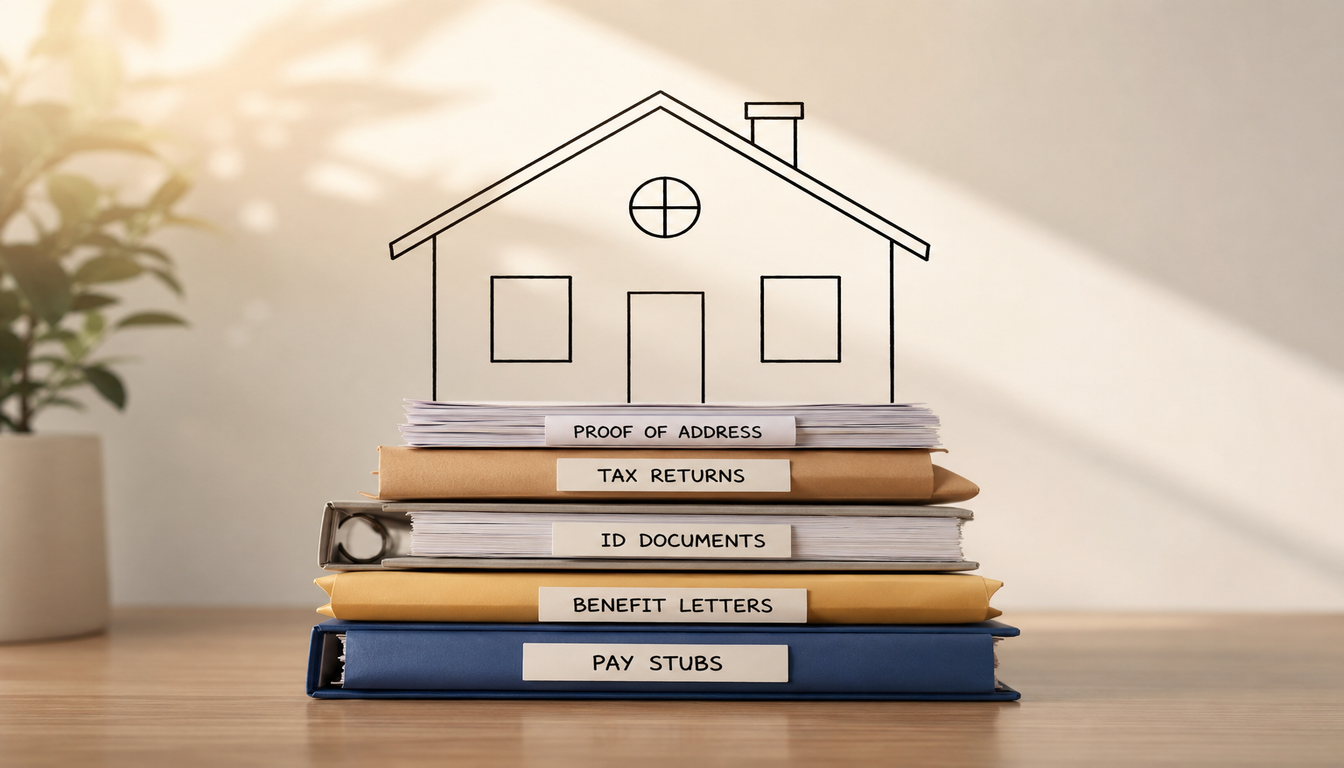
When you apply, be ready to show:
- Proof of age (such as a driver's license or birth certificate)
- Proof of income (Social Security statements, pension records, or pay stubs)
- Social Security numbers for everyone in the household
- Any documents related to disabilities, if applicable
Having these ready ahead of time can speed up the process and help you avoid delays once a unit becomes available.
Section 202 vs. Section 8 — What's the Difference?
People often mix these two up. Section 202 is housing built specifically for seniors, with the building itself receiving funding to keep rents low. Section 8, on the other hand, is a voucher that helps pay rent at almost any approved private apartment, not just senior buildings. Some seniors qualify for both, and either one can make a real difference in your monthly budget.
Get instant answers to your housing questions.Chat Now
Common Questions About Section 202
Can I apply if I already receive Social Security or a pension? Yes. Section 202 is based on your total household income, not the source of that income. Social Security, pensions, and retirement savings are all counted.
What if I have a disability and I'm under 62? Section 202 is limited to seniors 62 and older. If you're younger and have a disability, look into Section 811, which serves that group specifically.
Is Section 202 housing only apartments? Most Section 202 properties are apartment-style buildings, though the size and layout can vary by location.
Get Help Finding Housing You Can Afford
Searching for affordable senior housing on your own can feel overwhelming, especially with waitlists and paperwork involved. If you're also exploring rental assistance options beyond Section 202, our partner site, Section8Search.org, can help you search for available affordable housing and voucher programs in your area.
Final Thoughts
Section 202 housing gives older adults a real path to safe, affordable, independent living, backed by rent that adjusts to fit their income. If you or a loved one is struggling to keep up with rent, it's worth reaching out to your local housing authority or Area Agency on Aging to see what's available near you. The sooner you apply, the sooner you can move toward a home that fits your budget and your needs.