
Applying for Section 8 housing assistance involves more than filling out a form. You may need to provide proof of your income, identity, household members, and other personal information. Having these documents ready can help you respond faster when a housing authority requests them.
But there's another important part of the process: keeping a record of everything you submit. If a document goes missing or your application status doesn't change, having a confirmation number, receipt, or saved email can help you explain what happened.
Whether you're applying for the first time or already on a waiting list, here's how to prepare your Section 8 documents, submit them correctly, and keep track of your application.
Get instant answers to your housing questions.Chat Now
What Documents Do You Need to Apply for Section 8?
The Housing Choice Voucher Program, commonly called Section 8, helps eligible low-income households afford rental housing. It is funded by the U.S. Department of Housing and Urban Development (HUD) and managed by local public housing agencies.
According to HUD's Housing Choice Voucher guidance, the documents needed can vary depending on the housing agency and the applicant's situation.
Some offices request basic information when you first join a waiting list and ask for additional documents when your name is selected. Others require more paperwork during the initial application.
Here are the main categories to prepare.
1. Identification and Household Information
Housing authorities need to confirm who is applying and which family members will be included in the household.
You may be asked for:
- Government-issued photo identification for adults.
- Birth certificates for household members.
- Social Security numbers or acceptable verification documents, when required.
- Citizenship or eligible immigration status documents.
- Marriage, divorce, or custody records, if applicable.
If you've lost your Social Security card, the Social Security Administration explains how to request a replacement and what options may be available.
Not every applicant will need the same documents. Ask your housing authority what it accepts if a family member does not have a particular form of identification.
2. Proof of Income
Your household income is one of the main factors used to determine Section 8 eligibility.
Housing authorities generally consider income from employment, benefits, retirement payments, and other sources.
Depending on your situation, you may need:
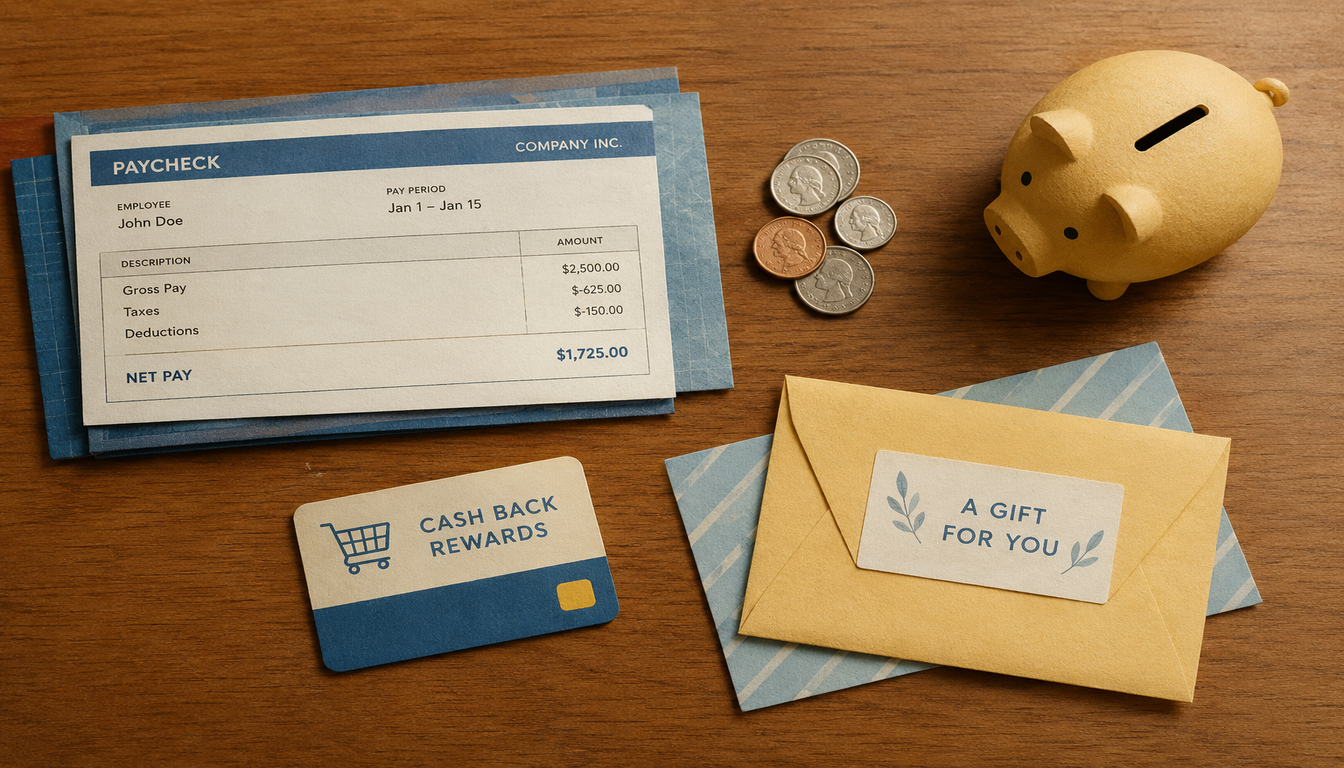
- Recent pay stubs.
- Employer letters confirming wages.
- Social Security or SSI benefit letters.
- Unemployment benefit statements.
- Pension or retirement income records.
- Child support payment records.
- Documents showing self-employment income.
If you receive Social Security benefits, you can obtain a benefit verification letter through your my Social Security account.
What if you have no income?
You can still ask about Section 8 eligibility. Your housing authority may require you to complete a zero-income form or explain how you currently pay for basic expenses.
Don't leave income questions blank without checking the instructions. Reporting zero income is different from failing to provide information.
3. Bank Accounts and Other Assets
Some applicants are surprised when housing authorities request information about money they have saved.
You may need to provide:
- Checking account statements.
- Savings account statements.
- Information about investment accounts.
- Details about property or other assets you own.
These records help the housing authority review your financial situation under the program's eligibility rules.
Even if your account balance is small, provide the information requested. Don't assume an account is too small to report.
4. Proof of Your Current Address
Your housing authority may request documents showing where you currently live.
Examples include a lease, utility bill, rent receipt, or another accepted record.
If you're staying with relatives, living in a shelter, or don't have a permanent address, ask which alternative documents the office accepts.
A traditional lease isn't always necessary, particularly when the housing authority offers options for people experiencing homelessness or unstable housing.
5. Documents for Special Circumstances
Some households may qualify for local waiting list preferences or need additional assistance during the application process.
Depending on the housing authority, supporting documents might include:
- Disability-related verification.
- Veteran status records.
- Shelter or homelessness verification.
- Custody or guardianship documents.
- Records supporting another local waiting list preference.
For example, a housing authority might give priority to certain households experiencing homelessness or displacement.
However, preferences are not the same everywhere. Only submit documents that apply to your situation and that the housing authority requests.
Get instant answers to your housing questions.Chat Now
Do You Need Every Document Before Applying?
Not necessarily.
This is an important difference between submitting an initial Section 8 application and completing a full eligibility review.
Some housing authorities use short applications to collect names, household sizes, income estimates, and contact information. Supporting documents may not be requested until later.
Others require documents during the first application.
As USAGov explains in its Section 8 guide, applications are handled through local public housing agencies, and waiting lists may close when demand exceeds available assistance.
Before gathering every possible document, check three things:
- Is the waiting list currently accepting applications?
- Which documents are required immediately?
- Which documents will be requested if you're selected?
This can save time and help you focus on the requirements that matter right now.
How to Organize Your Section 8 Documents
You don't need an expensive filing system to keep your paperwork organized.
Start with a folder, envelope, or digital folder on your phone or computer.
Separate your documents into a few categories: identification, income, household information, and housing records.
Then follow these steps:
- Check expiration dates. Make sure identification and other time-sensitive documents are valid when required.
- Review names and addresses. Look for spelling mistakes or differences between documents.
- Make copies. Keep copies of anything you send or hand over.
- Save digital versions. Take clear photos or scan documents so you can access them when needed.
- Protect personal information. Store files containing Social Security numbers, identification, and financial records securely. Avoid sending them through unverified websites or email addresses.
If you're using a shared computer, remember to sign out and remove any downloaded personal documents.
Get instant answers to your housing questions.Chat Now
How to Submit Your Section 8 Application
Housing authorities use different application systems, so there isn't one nationwide Section 8 application form.
Your local office may accept applications online, in person, or through another approved method.
Applying Online
If your housing authority uses an online portal, create an account and carefully follow the instructions.
Before submitting:
- Complete all required fields.
- Check household names and income information.
- Upload documents in the requested format.
- Review your contact information.
- Submit the application before the deadline. Don't assume your application was submitted simply because you filled out the form.
Look for a final confirmation page, confirmation email, or application number.
Applying in Person
If applications are accepted at the housing authority office, bring the requested documents and copies.
Ask whether the office can provide a receipt or stamped confirmation showing that your application was received.
If no receipt is available, record the date of your visit and the name of the staff member who assisted you.
Applying by Mail
Some housing authorities accept mailed applications or supporting documents.
Confirm the correct address and whether mail submissions are allowed before sending anything.
If you need evidence of delivery, the U.S. Postal Service's Certified Mail service offers tracking and delivery records for eligible mailings.
Remember that proof of delivery does not necessarily mean your application was accepted or considered complete.
Get instant answers to your housing questions.Chat Now
How to Keep Proof That You Submitted Your Documents
A saved record can be useful if your housing authority later asks about a missing application or document.
The best method depends on how you submitted your information.
You can also keep a simple application log.
For example:
October 10: Submitted Section 8 application online. Confirmation number saved.
October 14: Uploaded additional income documents.
October 18: Called housing authority to confirm receipt.
This record can help you explain when documents were sent and what information you received.
It does not guarantee approval or protect you from every deadline, but it gives you a reliable history of your actions.
Get instant answers to your housing questions.Chat Now
What Happens After You Submit Your Section 8 Application?
Submitting an application does not automatically mean you've been approved for a voucher.
If the housing authority determines that you meet its initial requirements, you may be placed on a waiting list.
HUD explains that waiting list selection and eligibility reviews depend on factors such as available vouchers, local selection preferences, and household information.
When your name is selected, the housing authority may request updated documents.
This is why it's important to keep your records current, even if you submitted everything correctly months or years earlier.
How to Check Your Application Status
Depending on your housing authority, you may be able to check your status through an online portal, by phone, or by contacting the office directly.
When following up, ask:
- Is my application on file?
- Are any documents missing?
- Do I need to update my information?
- Is there a deadline I should know about?
Follow the office's stated response times and procedures. Repeatedly submitting the same documents without instructions can create unnecessary confusion.
What If the Housing Authority Says Your Documents Are Missing?
First, check exactly which document is missing and whether the office has set a deadline.
Then review your saved records.
If you have a confirmation email, upload receipt, or mailing record, provide that information when contacting the housing authority.
You can explain when and how the document was submitted and ask whether it needs to be sent again.
If the office requests another copy, follow its instructions and keep a record of the new submission.
If your application is denied or removed from a waiting list, ask for the reason and whether you can request a review. The available process and deadlines depend on the decision and the housing authority's rules.
Get instant answers to your housing questions.Chat Now
Keep Your Section 8 Application Updated
Your responsibility doesn't end after submitting the paperwork.
While you're waiting, your phone number, address, income, or household size may change.
Report changes according to your housing authority's instructions, and keep proof that you provided the updated information.
Missing an important letter or failing to respond to a request can affect your application.
It's also worth checking other affordable housing opportunities while you wait. Public housing and privately owned HUD-assisted properties may have separate application processes and waiting lists.
For more housing resources, visit our partner website, Section 8 Search, where you can explore Section 8 information, housing authorities, and affordable housing opportunities across the country.
Final Checklist Before You Apply
Before submitting your Section 8 application, make sure you've completed these important steps:
- Confirmed that the waiting list is open.
- Checked your housing authority's document requirements.
- Gathered the identification and income records requested.
- Reviewed your household and contact information.
- Saved copies of your application and supporting documents.
- Recorded your confirmation number or submission receipt.
- Checked for any additional instructions or deadlines.
A Section 8 application may involve several stages, and you might be asked for updated documents more than once.
Keeping your information accurate, responding to requests on time, and saving proof of your submissions can help you stay prepared throughout the process.
Start with the documents your housing authority requires today, and keep your records ready for the next step.