
Did you know there is a federal program that helps adults with disabilities live in their own apartments at a rent they can afford? It's called Section 811, and this guide shows you who qualifies and how to apply.
What Is Section 811 Housing?
Section 811 is run by the U.S. Department of Housing and Urban Development (HUD). Through the Section 811 program, HUD funds and supports rental housing, with services available, for very low- and extremely low-income adults with disabilities. The goal is simple. It helps people with disabilities live as independently as possible in their community.
Section 811 is not one building or one waiting list. It is a funding program. The money helps pay for apartments, and those apartments are found in regular neighborhoods, often inside ordinary apartment buildings.
Get instant answers to your housing questions.Chat Now
The Two Ways Section 811 Works
1. Project Rental Assistance (PRA). This is the newer and more common path. HUD gives rental assistance money to state housing agencies. The state then sets aside apartments in regular affordable buildings for people with disabilities. Your rent is lowered, and the program pays the rest to the landlord. You live next door to neighbors with and without disabilities.
2. Capital Advance. In the traditional way, HUD gives interest-free money and operating help to nonprofit groups that build affordable housing made for people with disabilities. These buildings often have extra features built in.
Most people today find Section 811 apartments through their state's PRA program.
Who Can Get Section 811 Housing?
Rules can differ a little from state to state, but these are the basics:
- You have a disability. This can be a physical, developmental, or mental health disability. It should be a long-term condition.
- Your income is very low. Most Section 811 PRA units are for people with extremely low income, usually 30 percent of your area's median income or less.
- Your age fits the program. The PRA program is aimed at adults ages 18 to 61. Missouri's housing agency, in its 2026 funding notice, describes the program as housing for non-elderly adults who are extremely low-income, have a disability, and are eligible for Medicaid.
- You may need to be on Medicaid. Many states team up with their Medicaid and health agencies, which is why some ask for Medicaid eligibility.
If you are 62 or older, ask your local housing office about senior housing options, including HUD's Section 202 program.
How Much Will You Pay in Rent?
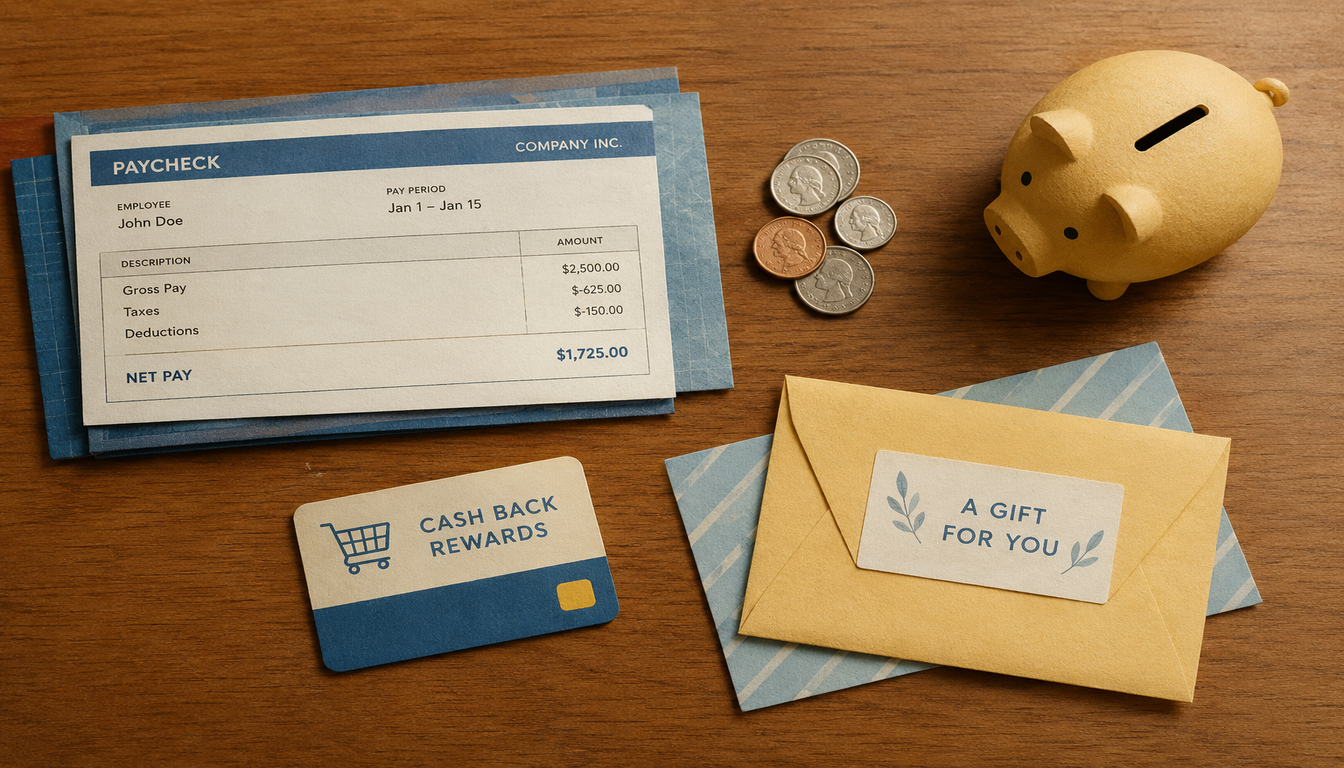
Section 811 is meant to be truly affordable. According to HUD's 2026 funding announcement, the money covers the gap between what an extremely low-income tenant with a disability can afford and the HUD-approved rent. In general, your share is based on your income, usually about 30 percent of it. If your only income is a disability check, your rent is set with that in mind.
Get instant answers to your housing questions.Chat Now
Help Is Offered, Not Forced
Many Section 811 homes are linked to services like case management, health care help, and support for daily living. These services are voluntary. You can use the help you want, and you do not have to accept services to keep your apartment.
What Is New for 2026?
- New money is available. HUD released its Fiscal Year 2026 Section 811 PRA funding notice on May 11, 2026, making $158 million available to state housing and other eligible agencies, as shown on the federal grants listing.
- States apply, not individuals. Applications for this round were due July 13, 2026. Only state or local housing agencies that meet HUD's rules can apply for the money, so you cannot apply to HUD for this grant yourself.
- It takes time to reach people. After HUD picks its winners, states must set aside apartments and sign up property owners. New apartments may open slowly in your state.
- States are still adding apartments. On July 15, 2026, Missouri invited owners of approved tax-credit buildings to offer Section 811 units. Other states, including Washington, have been asking owners to set aside units too.
Funding and rules can change, so check with your state agency and HUD's Section 811 page for funding notices for the latest news.
How to Apply for Section 811 Housing
There is no single national application. Here is a simple plan:
Step 1: Find your state housing agency. Search for your state's "housing finance agency" or "housing development authority" and ask if it runs a Section 811 PRA program. HUD's state pages can help you find your local HUD office.
Step 2: Ask about referrals. In many states, you do not apply to a building directly. A state health or human services agency, a Medicaid office, or a case manager refers you. If you already have a caseworker, ask them first.
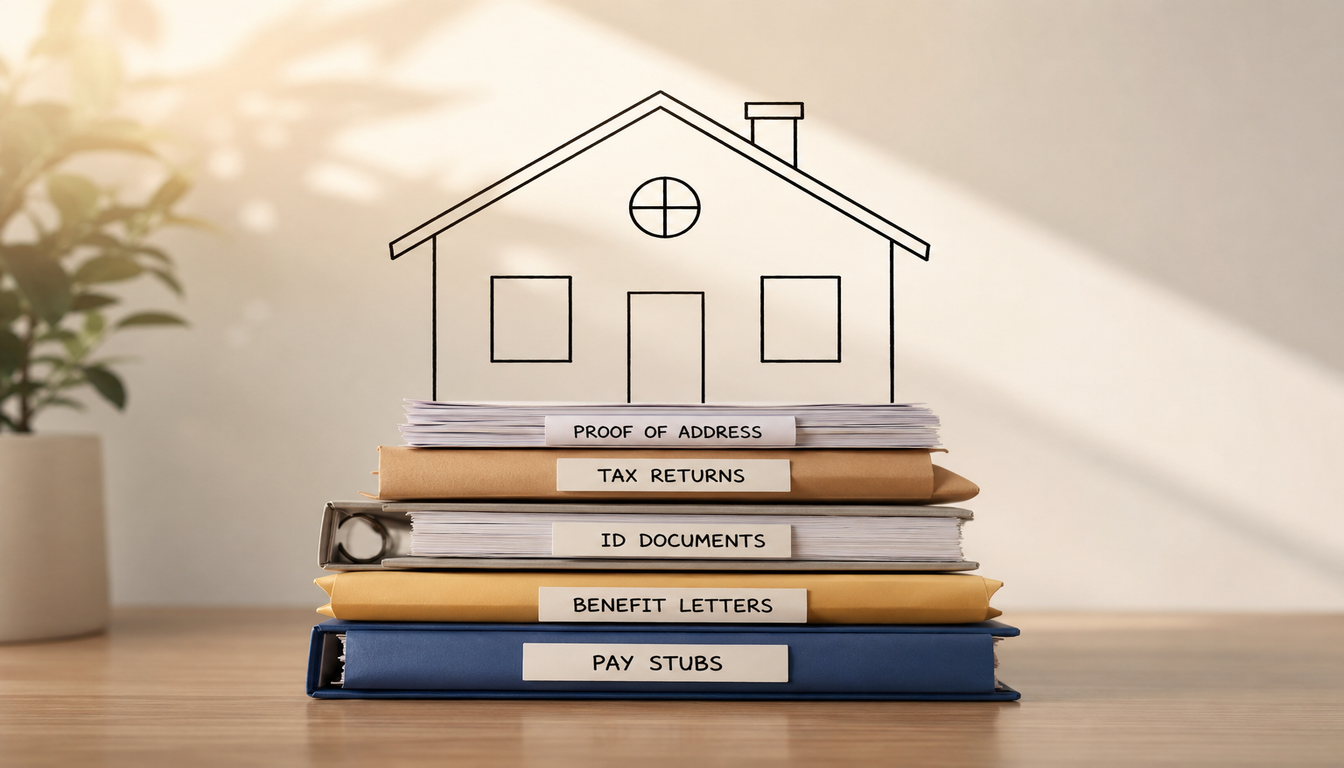
Step 3: Get your papers ready. You will likely need photo ID, proof of income (such as an SSI or SSDI award letter), proof of disability, and your Social Security number.
Step 4: Get on waiting lists. Section 811 and other affordable housing lists can be long. Sign up for more than one if you can.
Step 5: Keep your contact information current. If the office cannot reach you, you could lose your place in line. Tell them right away if you move or change your phone number.
Step 6: Call 211 if you feel stuck. The free 211 helpline connects people to local housing help and disability services.
Get instant answers to your housing questions.Chat Now
Other Housing Help for People With Disabilities
Section 811 is not the only choice. You can apply for several programs at once:
- Mainstream Vouchers. These are housing vouchers for households with a person with a disability. Your local housing agency can tell you if the list is open, and HUD explains how Mainstream Vouchers work on its website.
- Housing Choice Vouchers (Section 8). These help pay rent in private apartments of your choice.
- Public housing. These apartments are owned by local housing agencies, and many have accessible units.
- Tax-credit apartments. Many affordable buildings have rent limits and accessible units.
Applying to more than one program gives you more chances to find a home.
Your Rights
You have the right to ask for changes that make your home work for you. These are called reasonable accommodations. Examples include a ramp, a grab bar, or a parking space close to your door. A landlord cannot treat you unfairly because of your disability. If you think you were treated unfairly, you can file a complaint with HUD's fair housing office.
Get instant answers to your housing questions.Chat Now
Tips to Improve Your Chances
- Apply early and apply often. Waiting lists move slowly.
- Ask each agency how it handles Section 811 referrals in your state.
- Keep copies of every form you send.
- Follow up by phone or email every few months.
- Ask a case manager, social worker, or local disability group to help with forms.
The Bottom Line
Section 811 helps adults with disabilities live in their own apartments, pay rent they can afford, and get help if they want it. New federal money was announced in 2026, and states are still working to open more apartments. The best first step is to contact your state housing agency and ask about Section 811 today.
Want to see more affordable housing options in your area? Visit our partner page at Section8Search.org to search for rentals and find housing help near you.